worker brood

Description

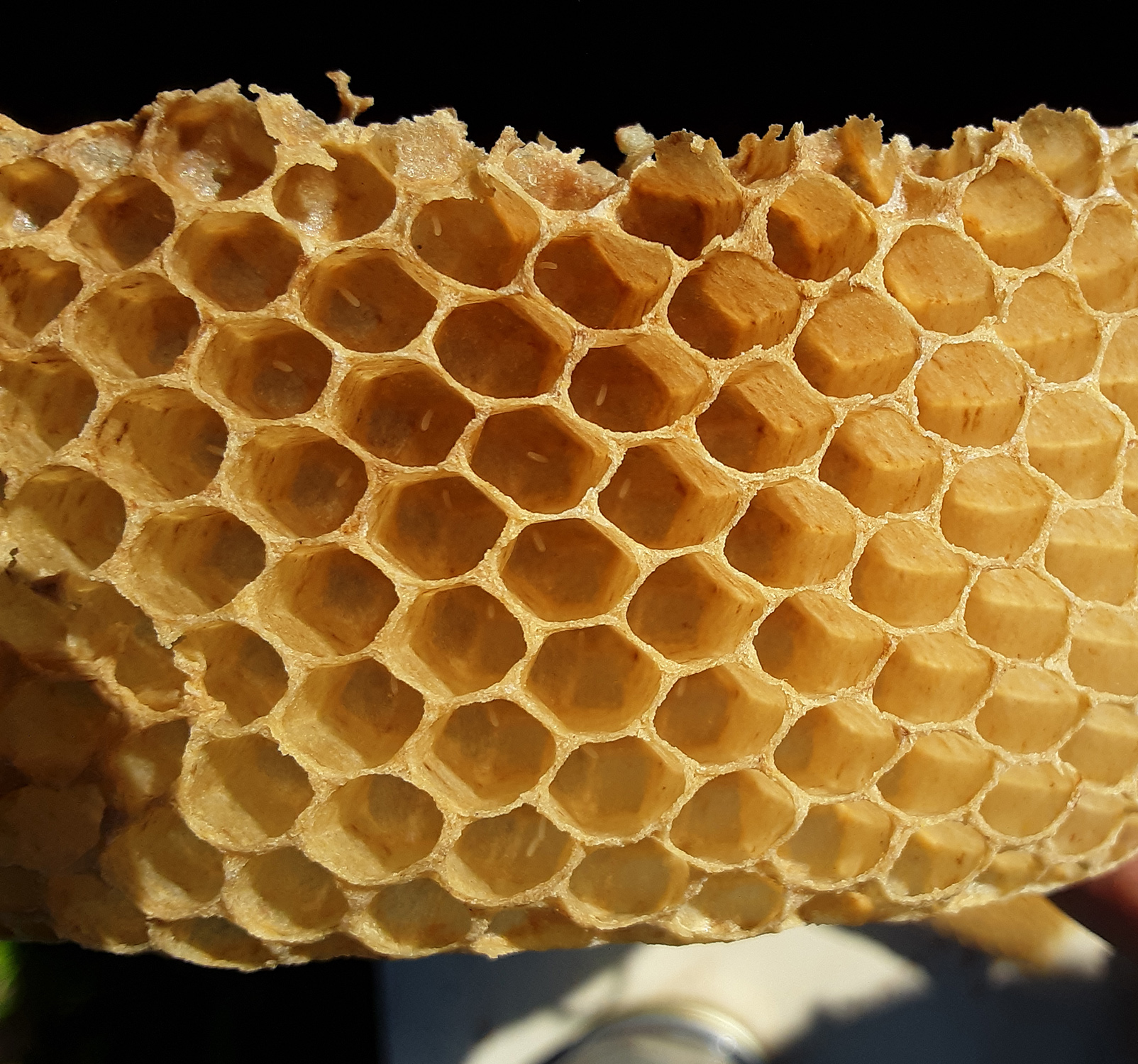
Brood is collective term for the developmental stages of eggs, larva and pupa. The normal worker egg is deposited by a queen in an empty cell of the brood area. The egg transitions (bee eggs do not "hatch") to the larva in approximately 3 days (in the controlled temeprature atmosphere of the bee hive). One egg per cell, centered at the bottom of the cell is normal; sometimes a new queen will place two eggs in a cell.

Eggs must be fertilized as they leave the body of the queen to become workers. Unfertilized eggs are not fertilized and are placed in larger drone-sized comb cells. Incorrect egg type relative to cell size or if there are multiple eggs placed haphazaradly within a cell will be removed by workers.  Worker bees "police" the brood area and remove diploid eggs of workers with developed ovaries and "abnormal" eggs of the queen.

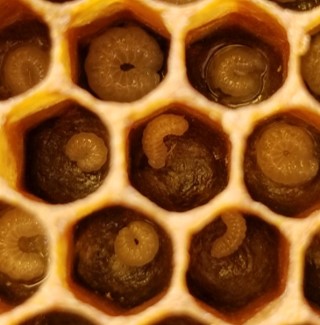
The second brood stage is the larva (plural larvae). 


Resources

https://www.youtube.com/watch?v=yrZcBk6xKtU

https://www.buzzaboutbees.net/honey-bee-life-cycle.html
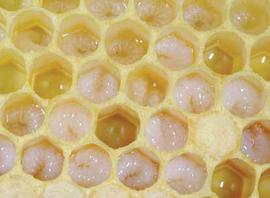
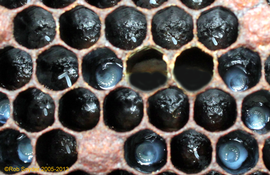
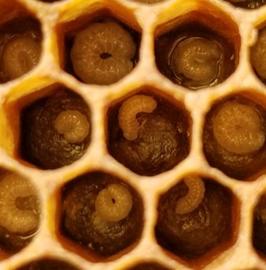
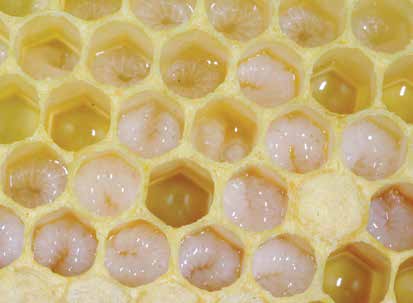
 Workernbsp;larvae (open brood), 3rd instar; photo by: the BeeMD photo collection

Worker larvae (open brood), 3rd instar; photo by: the BeeMD photo collection

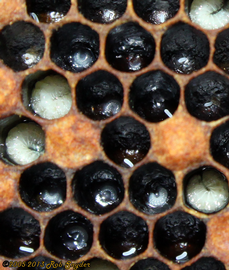
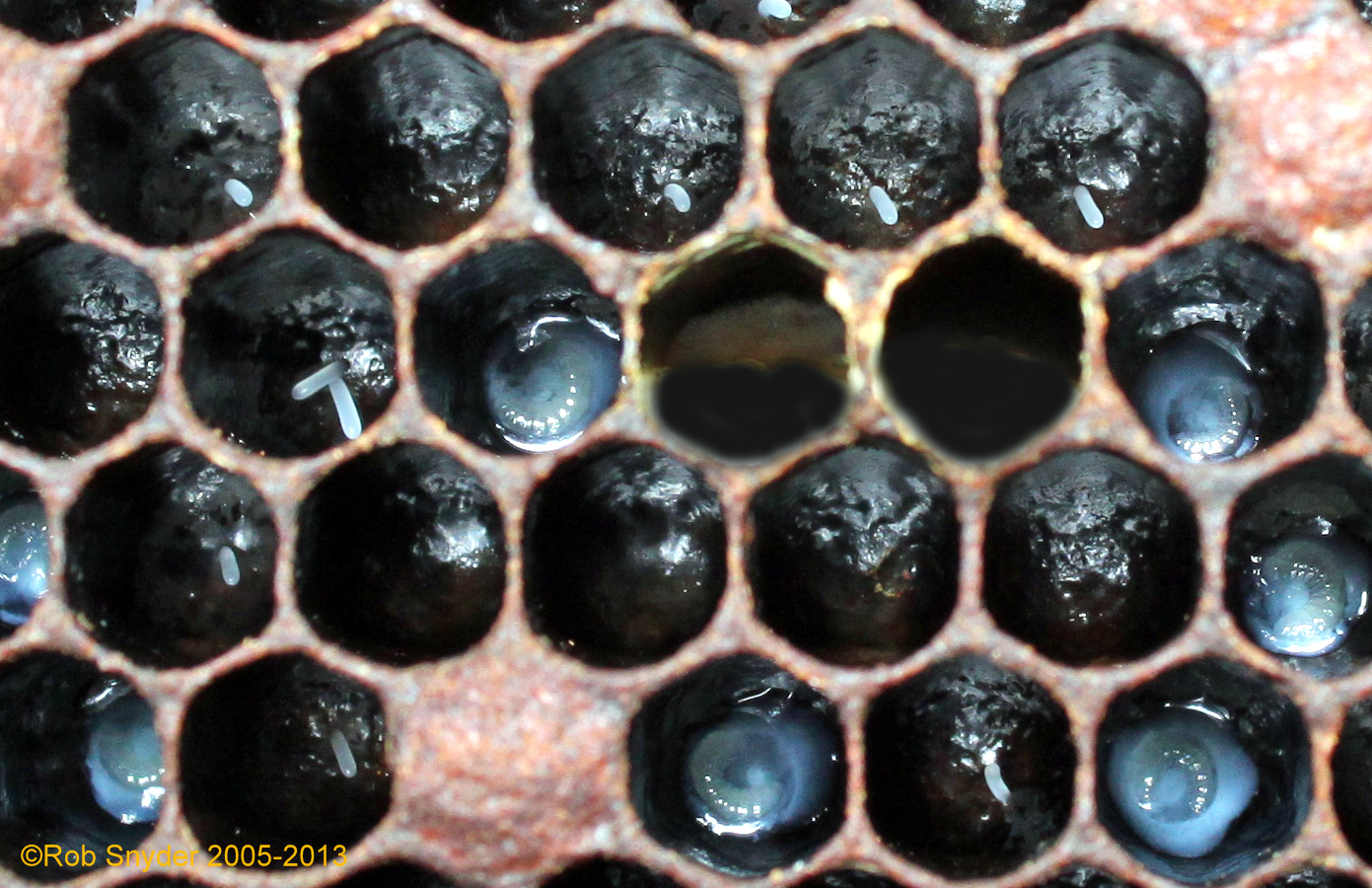
 Open worker brood - eggs (one cell with 2 cells) and first instar larvae; photo by: the BeeMD photo collection

Open worker brood - eggs (one cell with 2 cells) and first instar larvae; photo by: the BeeMD photo collection

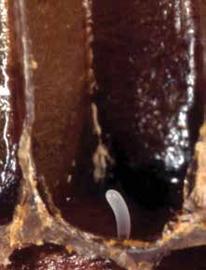
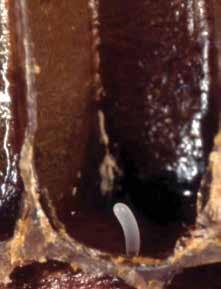
 Egg in worker cell; photo by: the BeeMD collection

Egg in worker cell; photo by: the BeeMD collection

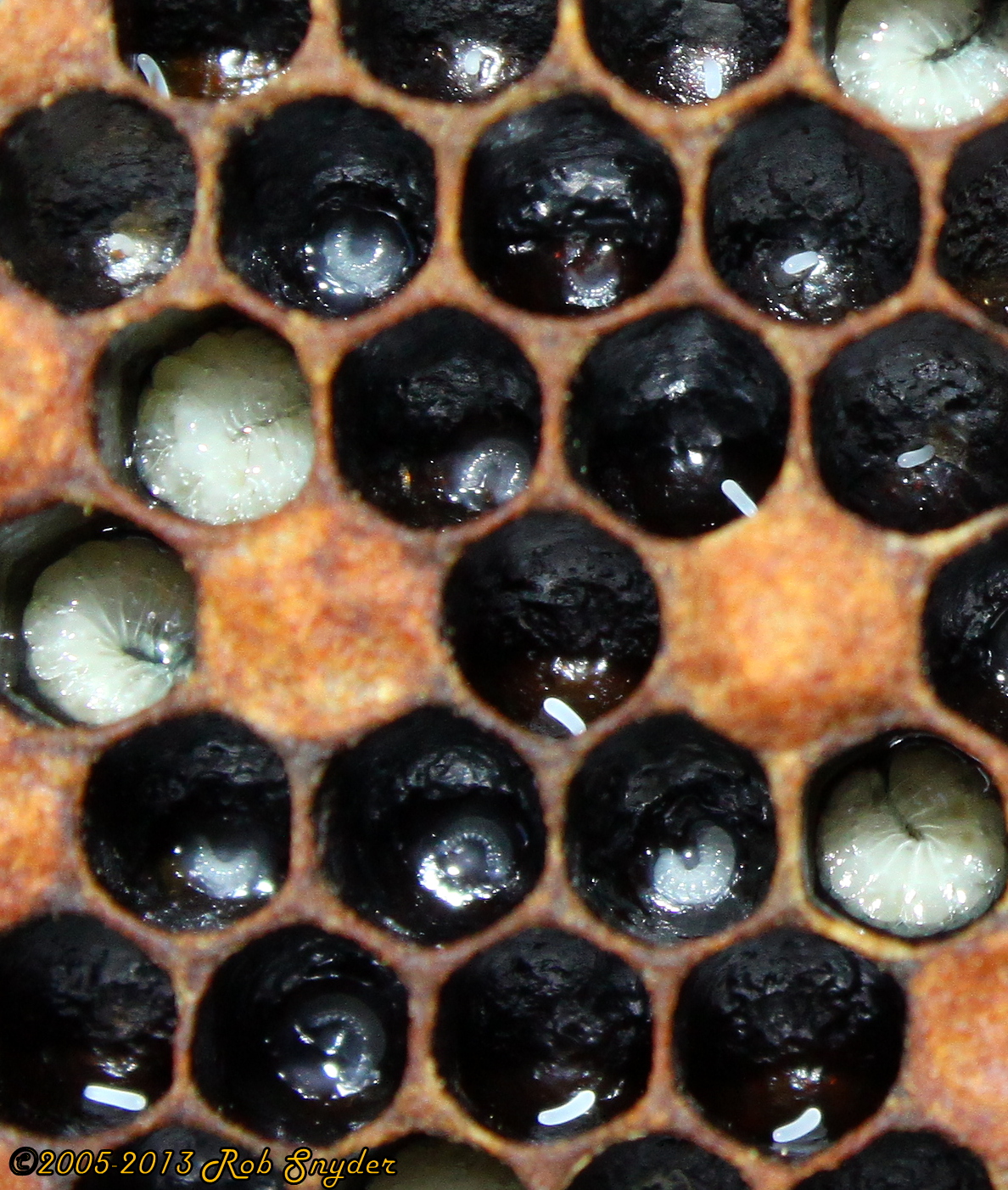
 Worker eggs, severalnbsp; misplaced perhaps due to violent shaking of frame; photo by: Rob Snyder

Worker eggs, several  misplaced perhaps due to violent shaking of frame; photo by: Rob Snyder

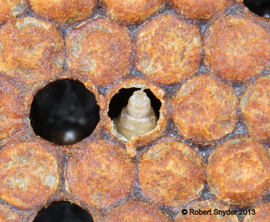
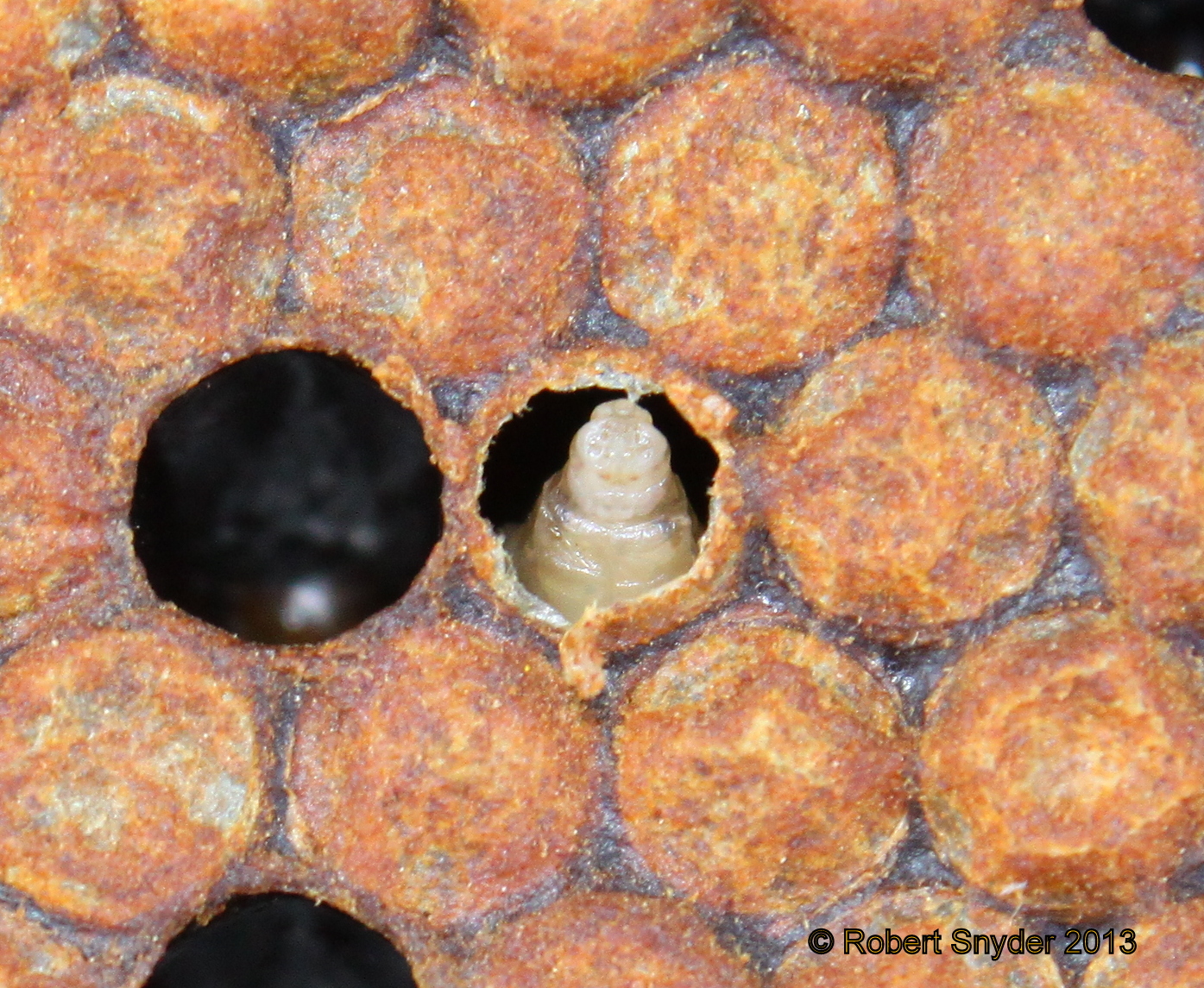
 Prepupa - silk spinning stage prior to pupal stage (cell capnbsp;opened to view);nbsp;photo by: Rob Snyder

Prepupa - silk spinning stage prior to pupal stage (cell cap opened to view); photo by: Rob Snyder

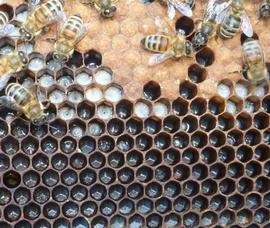
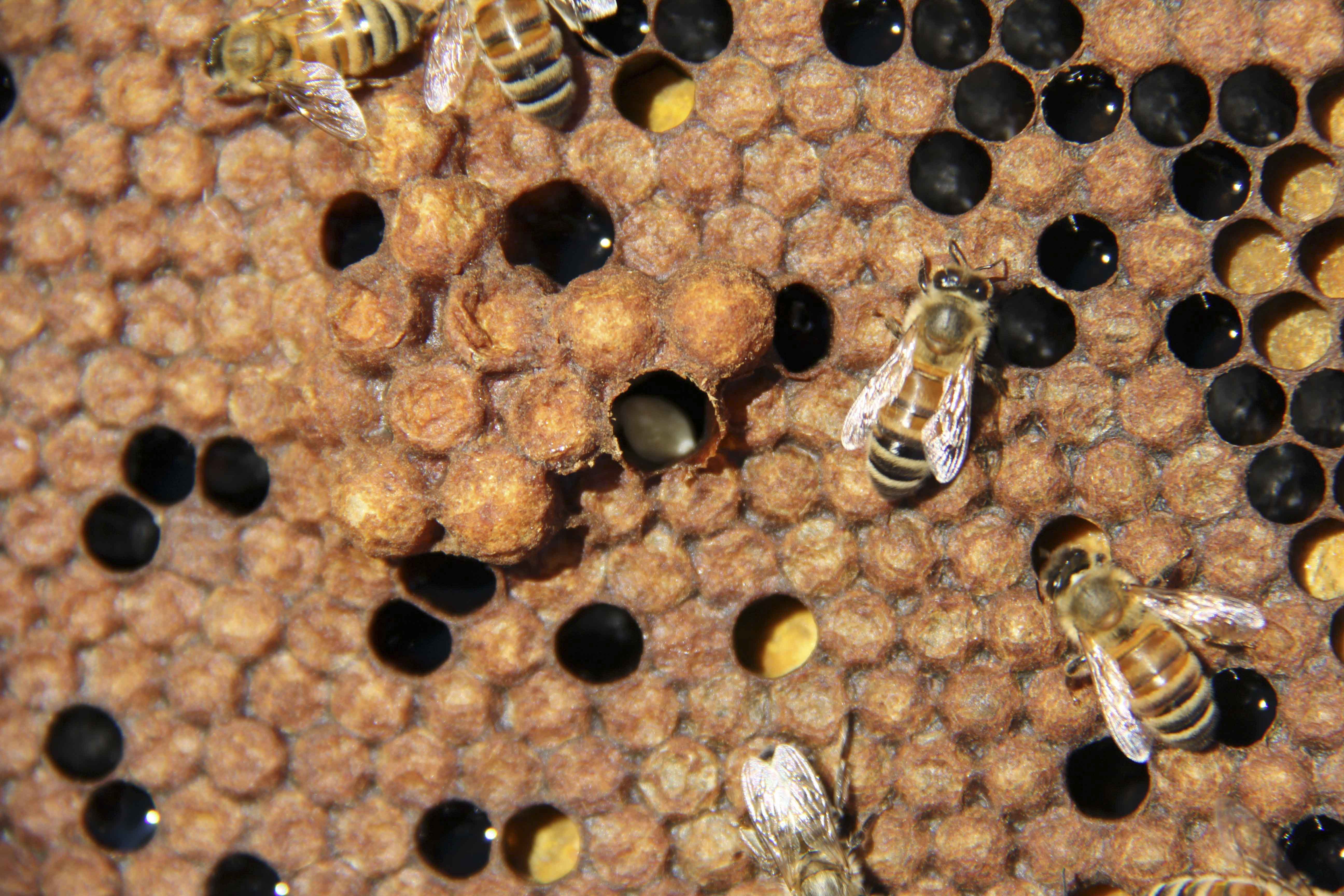
 Mixed brood - open cells with larvae and capped pupae; photo by: Rob Snyder

Mixed brood - open cells with larvae and capped pupae; photo by: Rob Snyder

 Newly capped (light colored) worker brood; photo by: University of Florida

Newly capped (light colored) worker brood; photo by: University of Florida

 Worker brood cells from capped (top) to eggs (toward center) with larvae between#39; photo by: the BeeMD photo collection

Worker brood cells from capped (top) to eggs (toward center) with larvae between' photo by: the BeeMD photo collection

 Capped worker brood with 10 capped drone cells in middle; photo by: the BeeMD brood collection

Capped worker brood with 10 capped drone cells in middle; photo by: the BeeMD brood collection

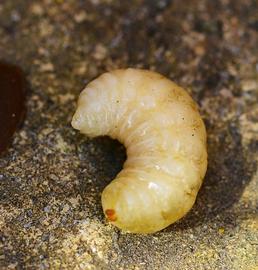
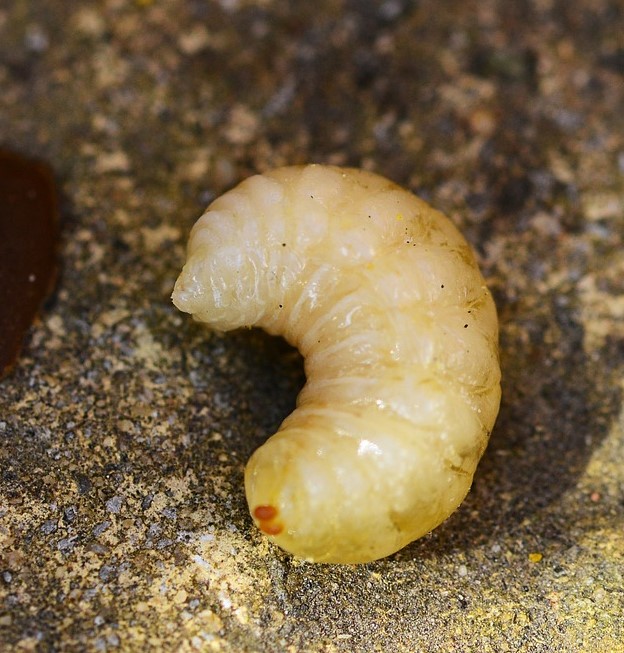
 Worker larva; photo by: BeeInformed

Worker larva; photo by: BeeInformed

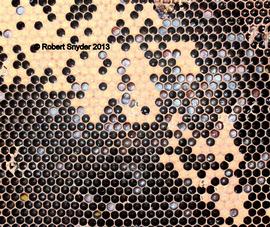
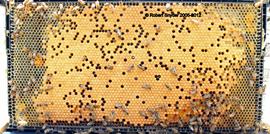
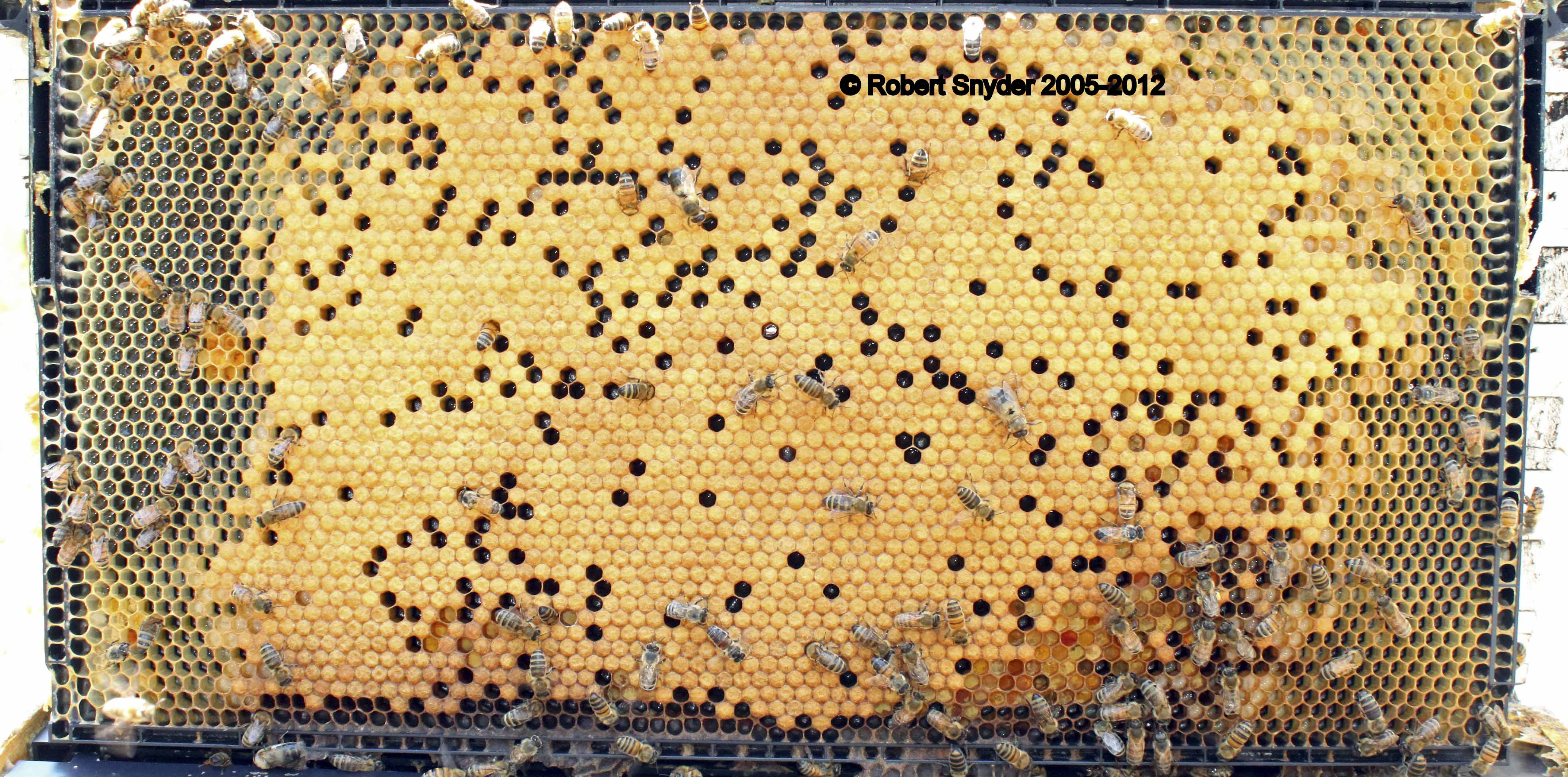
 Capped worker brood - summer colony;nbsp;photo by: Rob Snyder

Capped worker brood - summer colony; photo by: Rob Snyder

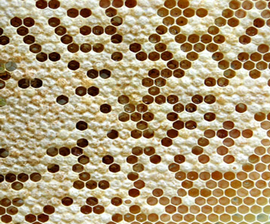
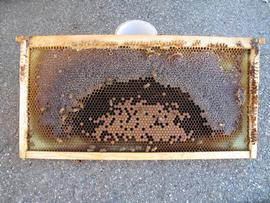
 Capped worker brood - fall/winter colony -nbsp;good honey reserves;nbsp; photo by: the BeeMD photo collection

Capped worker brood - fall/winter colony - good honey reserves;  photo by: the BeeMD photo collection

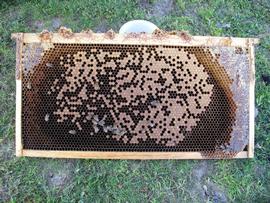
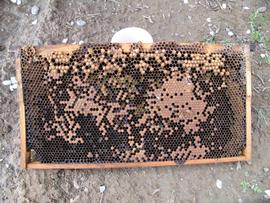
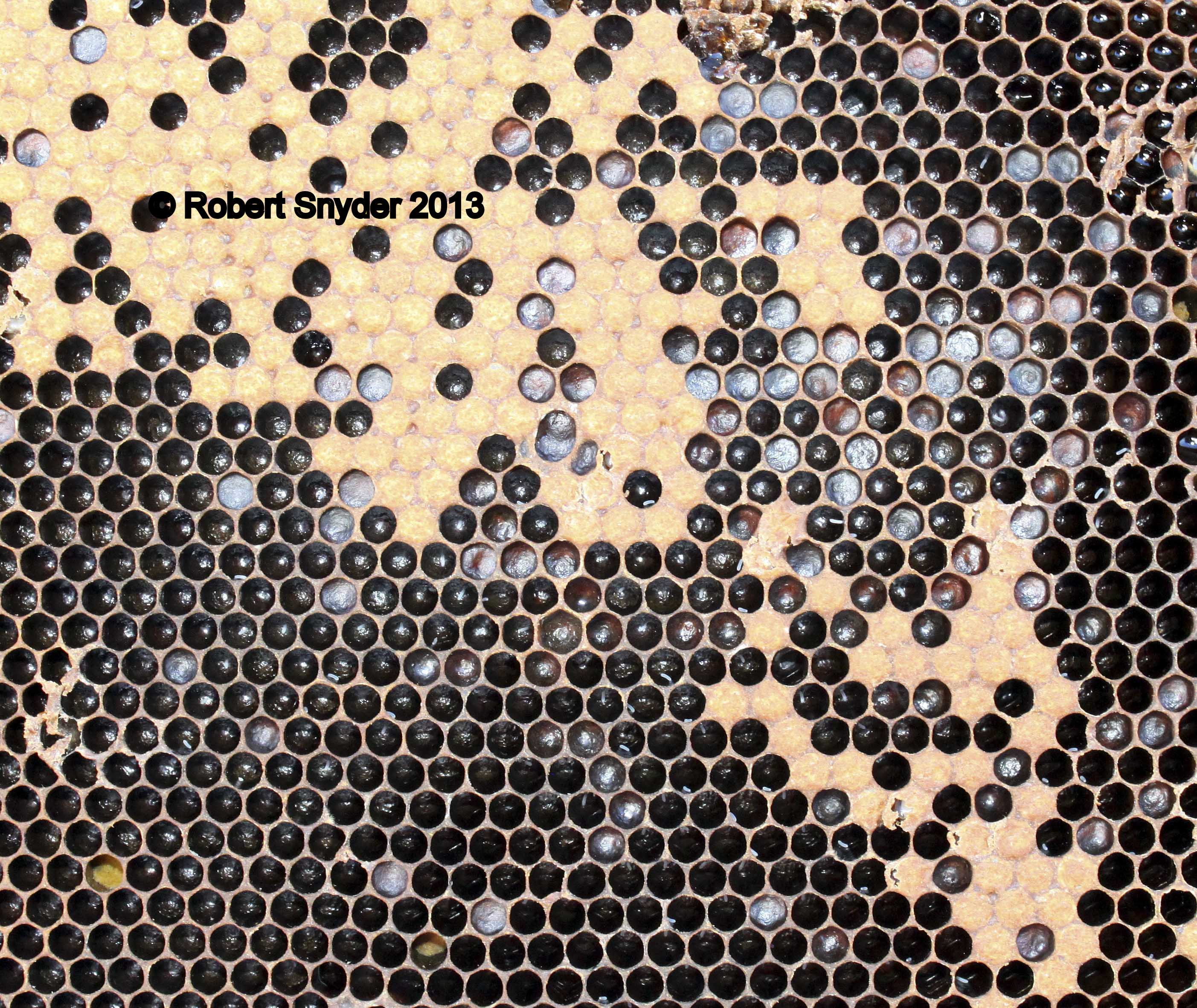
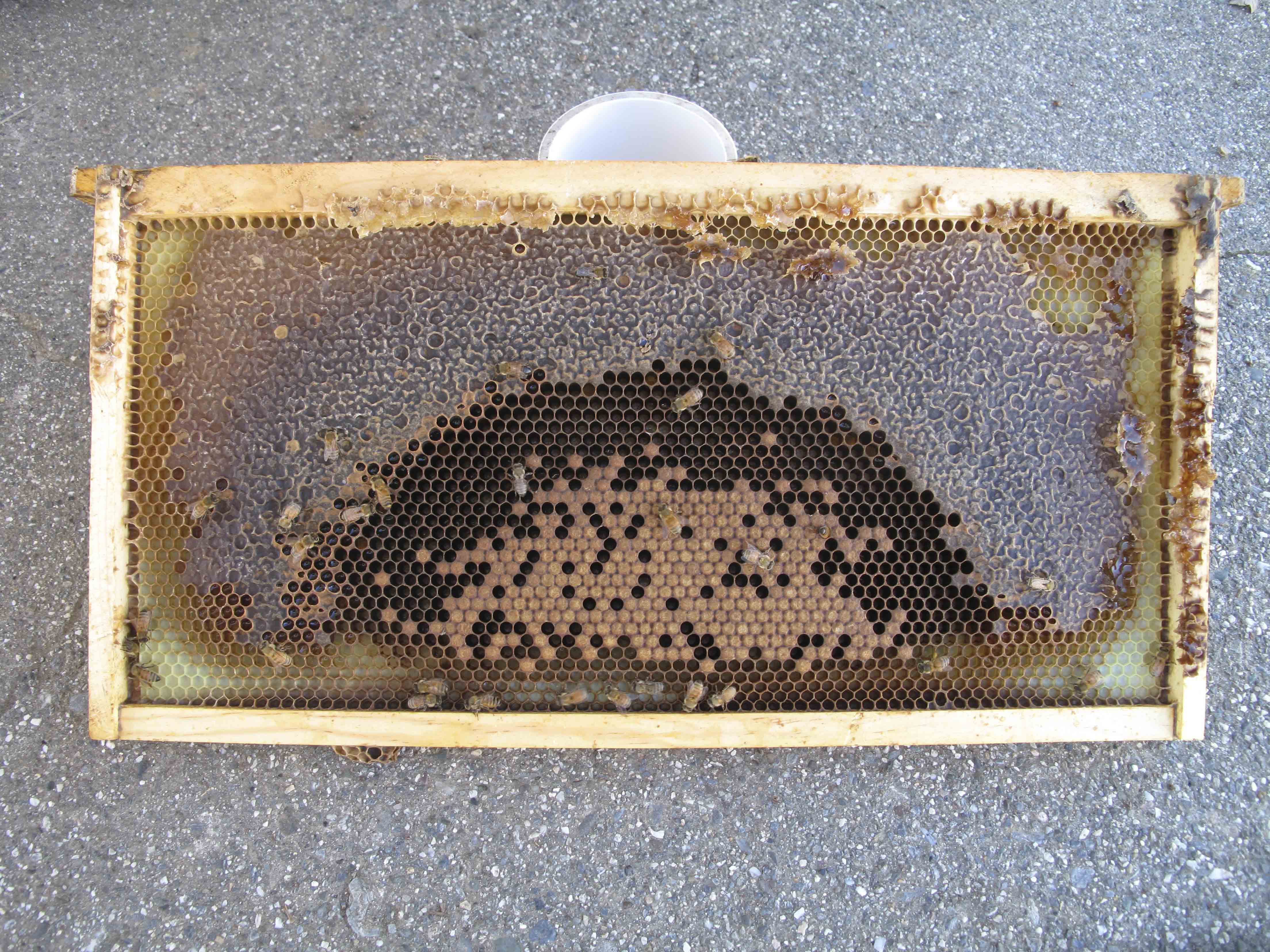
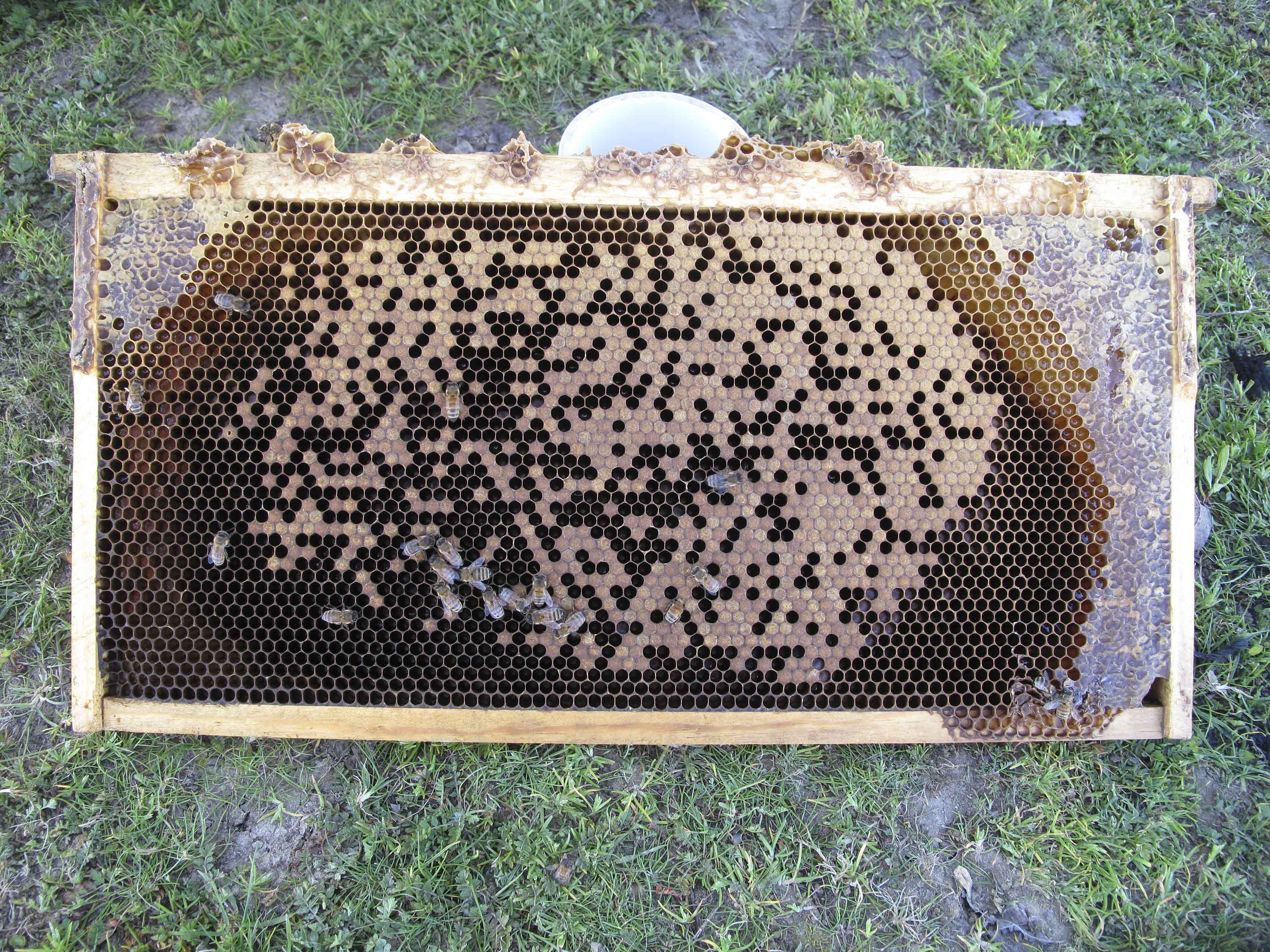
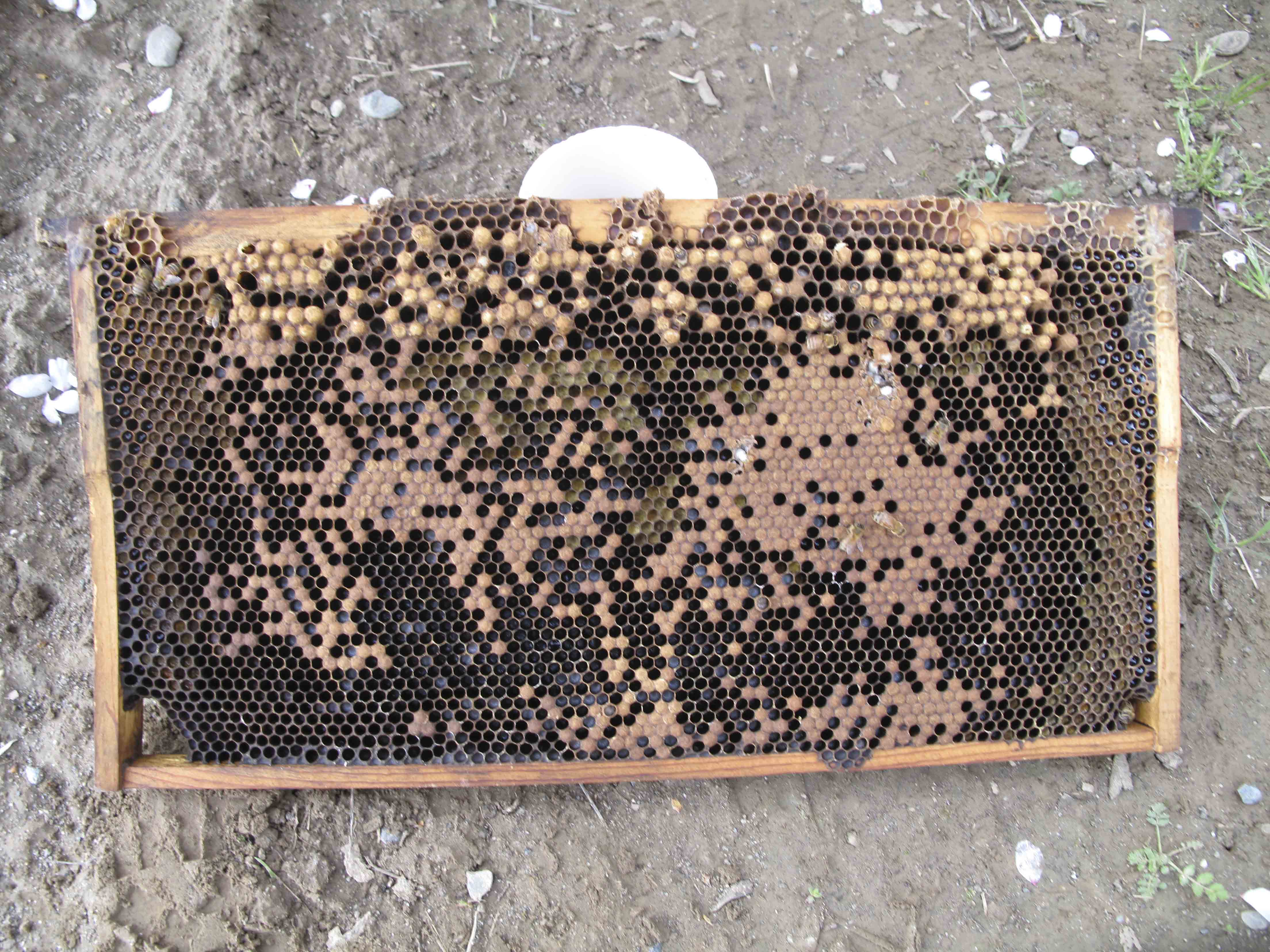
 capped worker brood - spotty pattern; photo by: the BeeMD photo collection

capped worker brood - spotty pattern; photo by: the BeeMD photo collection

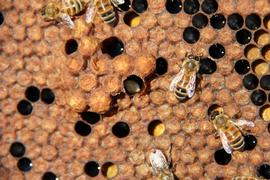
 Frame wiht mixture of capped worker and drone brood. not a solid pattern; photo by: the Bee MD photo collection

Frame wiht mixture of capped worker and drone brood. not a solid pattern; photo by: the Bee MD photo collection

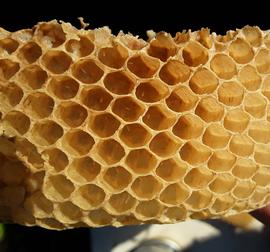
 Eggs in worker comb; photo by Dewey M. Caron

Eggs in worker comb; photo by Dewey M. Caron

 3 stages of worker brood; ilustration by: Margarita Meyer

3 stages of worker brood; ilustration by: Margarita Meyer

 Starving worker larvae crawling about/out of cell seekingnbsp;food; photo by: Oregon State University

Starving worker larvae crawling about/out of cell seeking food; photo by: Oregon State University

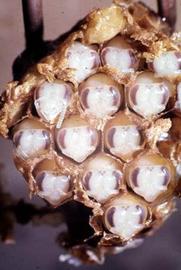
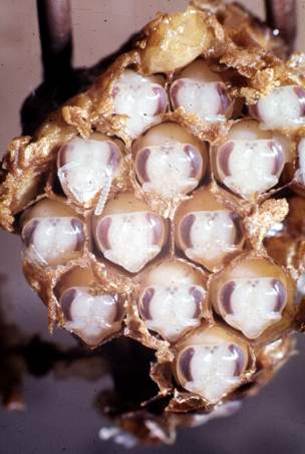
 Worker pupae - pink eyed stage; photo by: Dewey M. Caron

Worker pupae - pink eyed stage; photo by: Dewey M. Caron